The Red Sock: Why AI Is Only as Good as Your Preparation
- ai
- founding
- care work
I learned the most about working with AI from a proper crash landing.
A week before my pitch at a competition, I had wrecked my first Care-Coin prototype in a vibe-coding frenzy. The app was meant to show how easy it could be to sign up, log your care work and earn Care Coins for it. In that version, they lived on a blockchain, but nobody should have to understand blockchain to use it. A provider in the background took care of that by confirming transactions automatically for as long as you were logged in.
I had started with a template from the Algorand Foundation and rebuilt it with Claude, back then simply in the chat. It was astonishingly fast – until something broke.
A login problem that I had put off simply wouldn’t go away. After nights of copying and pasting under time pressure, I had completely lost track. Nothing in the app worked anymore.
I only found the bug once I stepped away from the computer and calmly went through every step with some distance. For onboarding, I had built in a form tool from another provider. So the path through the app briefly led through an outside address, and that very detour broke the login every single time.
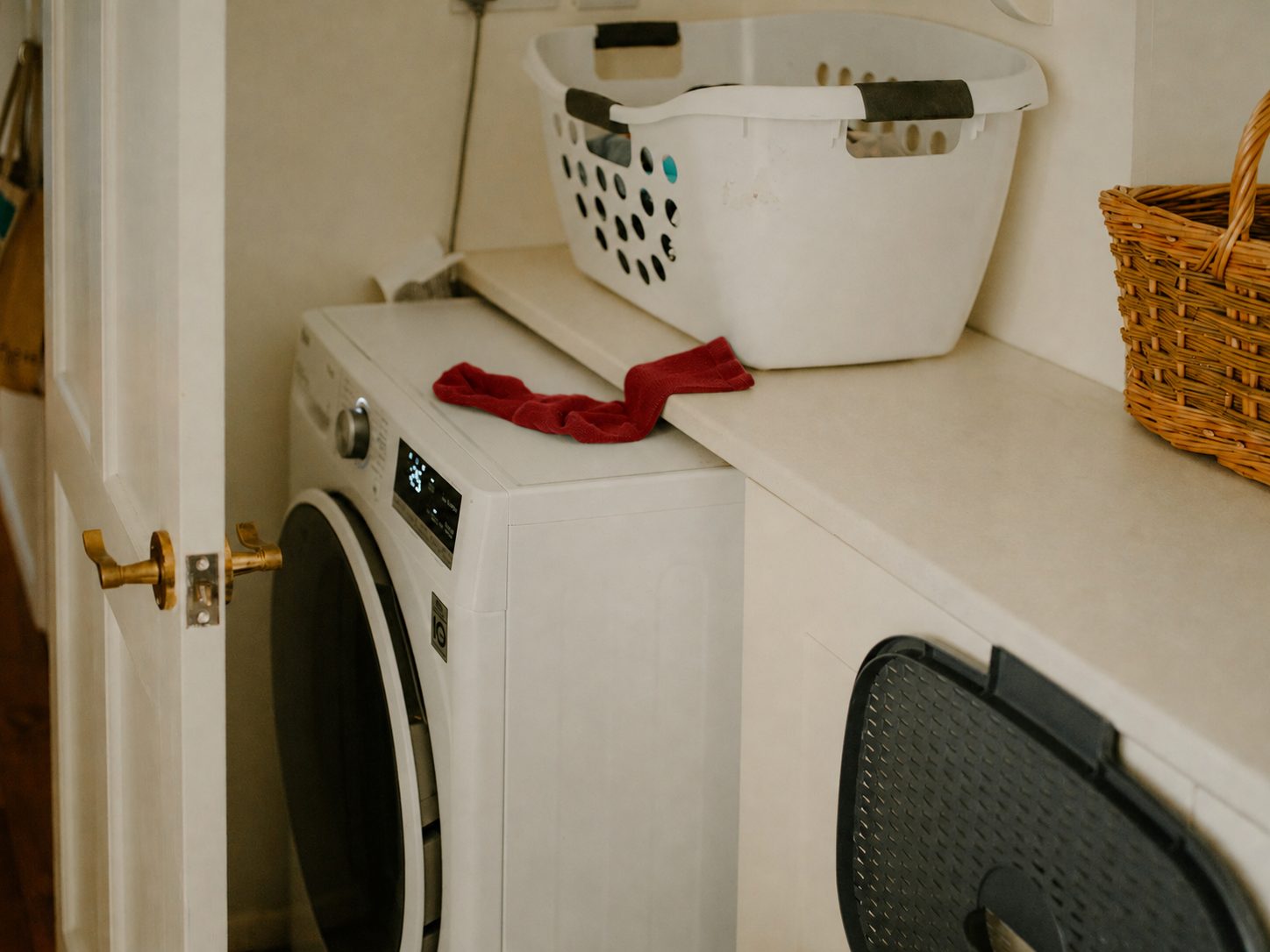
What does this have to do with a red sock in the wash? Preparation shapes the result, it’s that simple. A red sock in a load of whites. One single item that doesn’t belong, and everything comes out pink.
If I had mapped out the flow and thought the steps through carefully in advance, I would have spotted the detour as a source of error much sooner.
All those hours I could have slept.
I rebuilt the onboarding, just in time, and the prototype worked. At the pitch, I took third place and won my first grant for Care-Coin. Ever since, the red sock has been my mental note to make sure this never happens again.
AI amplifies what you feed it
AI works with what it gets. With a good plan, it gets faster and better. Without a plan, it mostly gets faster and more confusing. Anthropic itself recommends exploring first, then planning, and only then writing code.
Today I build with a clear process: precise instructions, one step at a time. That way I can retrace every step. And, almost more importantly, I understand every one.
The crazy thing is: I’d had this skill all along. I just hadn’t brought it to work.
We know how to prepare
At home, I do nothing else. Before the robot vacuum sets off, I clear the Lego bricks off the carpet; otherwise it stops every two minutes and my time savings are gone. Before the washing machine runs, I pick out the red sock. I think ahead about what could go wrong and deal with it before it happens.
Anyone who does care work practices exactly this every day. The Rutgers Center for Women in Business surveyed working people with caregiving responsibilities and identified 18 skills that grow through care work: anticipating needs, managing time, handling complexity.
That’s exactly what working with AI requires.
The skill is there, the usage isn’t
And yet women use generative AI around 25% less often than men on average, according to an analysis of 18 studies with more than 140,000 people. At the same time, women in Germany do considerably more unpaid care work (in German) than men.
Whether caregivers use AI less often hasn’t been measured directly yet. But the gap sits exactly where the matching skill gets the most practice.
My guess is that one reason is this: the skill isn’t on anyone’s CV. People who have organized a family’s daily life for years rarely call it project management. And those who don’t see their own strength are more hesitant to try new tools.
What we’re building
This is where Care-Coin comes in. We’re building a platform that makes care work visible: anyone who logs their care hours earns Care Coins, reward points that show what they actually do. We’re also planning the Skill Pass, an AI tool that translates everyday care into the language of professional skills. “Clearing away the Lego bricks” then becomes what it really is: forward planning.
Sort first, then wash
You don’t find the red sock by washing for nights on end. You find it before the machine starts.
Anyone who does care work has known this for a long time. Time it showed up on the CV, too.
If you want to know what happens next with Care-Coin: sign up for the newsletter below. You’ll be the first to know when our campaign on Startnext, a German crowdfunding platform, goes live – expected on 19 January 2027.
One question for you: What’s stopping you from using AI more? → Answer (10 seconds)
Take care 🩷
Cover photo: Annie Spratt on Unsplash